godfrey design-build
Planning a Kitchen Remodel
A Guide to Layout, Investment, and Design Decisions That Matter
TABLE OF CONTENTS
Introduction: When You Know It’s Time
By the time most homeowners begin seriously thinking about a kitchen remodel, the decision is already made—just not yet fully articulated.
You’ve likely been living with it for a while. The extra steps it takes to prepare a meal. The way the space tightens when more than one person is in the room. The subtle frustration of not having enough storage in the places you need it most.
And then there are the moments when everyone gathers.
Family comes over. Friends stop by. Conversations naturally drift into the kitchen—because they always do. But instead of feeling open and welcoming, the space feels constrained. People shift around each other. The room wasn’t designed for how it’s actually being used.
None of this is dramatic on its own. But over time, these small moments begin to shape how the home feels.
At some point, the question shifts.
Not “Should we update the kitchen?”
But “What would it look like if this space actually worked the way we need it to?”
That is where real remodeling begins.
What Homeowners Often Try First
Before committing to a full renovation, many homeowners begin with smaller updates such as painting cabinets, replacing hardware, updating appliances, installing new lighting, or adding freestanding storage. These updates can refresh the space and improve its appearance. However, when layout and storage challenges persist, homeowners often find that the improvements do not fully address how the kitchen functions day-to-day.
Most frustrations are not about appearance. They stem from layout challenges, limited storage, and inefficient circulation. When those underlying issues remain, the improvement often feels temporary, and the same frustrations eventually return.
1. THE LAYOUT SHAPES YOUR DAILY EXPERIENCE
It is natural for homeowners to first focus on cabinetry styles, countertop materials, or appliances. While these decisions matter, they do not address functional challenges. Finishes shape aesthetics, but flow and function define the daily experience. A well-designed layout changes how the kitchen is used. Movement becomes easier, tasks more intuitive, and the space works with you rather than against you.
And when people gather—as they always do—the kitchen begins to feel different. Instead of a crowded space, the room encourages connection without sacrificing comfort or flow. Movement feels easier. It becomes a place people want to stay.
When the layout is right, everything else begins to fall into place.
2. STORAGE HAS EVOLVED—AND OLDER KITCHENS FEEL IT
Many homeowners assume that improving storage requires more square footage. In many cases, however, the challenge lies in how the existing space was originally designed.
Older kitchens were built with a very different understanding of storage. Even 10 or 15 years ago, cabinetry offered far fewer functional solutions. Deep drawers, vertical storage, improved corner access, ceiling-height cabinetry, and integrated pantry systems were either limited or not widely used. As a result, many kitchens still rely on configurations that make everyday tasks more difficult than they need to be.
What feels like a lack of space is often a lack of thoughtful design.
When storage is reimagined with intentional design and modern cabinetry solutions, the kitchen experience begins to change. Items are where you expect them to be, the space feels more organized, and daily routines become more efficient, without expanding the footprint.
And over time, that quiet improvement shows up in small ways—less searching, less shifting, and less friction in daily routines.
3. THOUGHTFUL DESIGN TRANSFORMS THE EXPERIENCE—NOT JUST THE OUTCOME
A kitchen remodel involves far more decisions than most homeowners expect.
Cabinet styles, layout options, appliance selections, lighting, and materials. These are details that seem small but carry long-term impact.
Without guidance, those decisions can begin to feel overwhelming.
But when the design process is structured and intentional, something different happens. Instead of navigating hundreds of choices alone, you are guided through them. Decisions are introduced at the right time, in the right sequence, with context that makes them easier to understand.
And what many homeowners discover is that the process itself becomes more enjoyable. What once felt uncertain becomes clearer, and what once felt overwhelming begins to feel manageable.
Thoughtful planning directly influences the construction experience. When project development is thorough, fewer surprises arise, timelines become more predictable, and overall disruption is reduced. While remodeling always involves some level of disruption, a planning-first approach helps reduce it and allows construction to move forward with greater clarity, confidence, and efficiency.
What Is Actually Possible in Your Kitchen
There is a moment in many remodeling projects when homeowners begin to see their kitchen differently.
At first, the thinking is practical:
“We need more storage.”
“It would be nice to have an island.”
“We wish there were more space when people come over.”
But as the design begins to take shape, those ideas start to evolve. A wall assumed to be permanent may no longer be necessary. A nearby room may become part of the kitchen experience. Light begins to enter the space in a way it never has before.
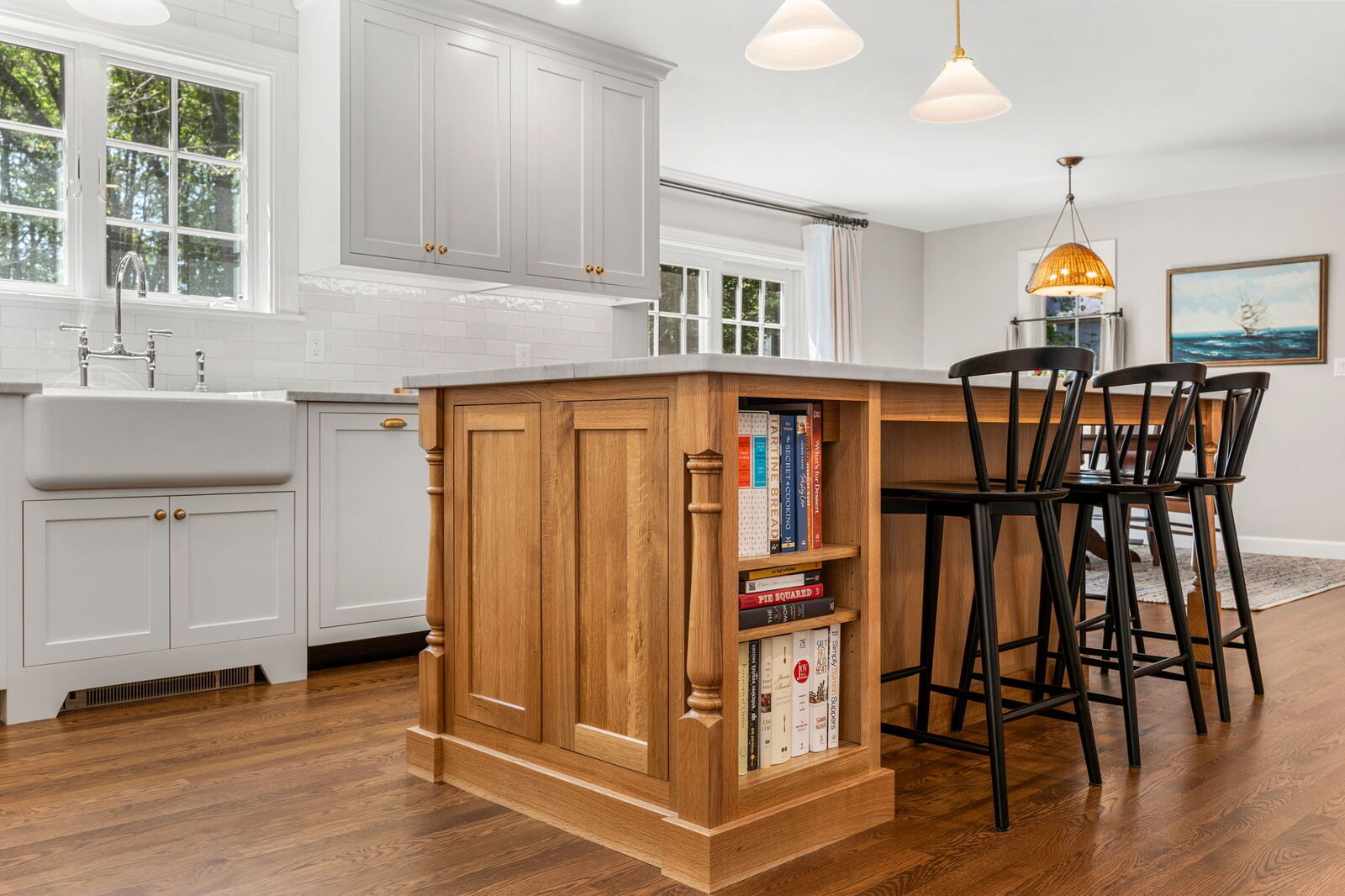
Slowly, the kitchen stops feeling like a collection of limitations and begins to feel like an opportunity: a kitchen island becomes more than a surface for prepping food; it becomes a place where people gather. Storage becomes more than capacity; it becomes ease, and the layout of the kitchen becomes more than movement; it becomes a streamlined flow.
The space opens, and the layout begins to feel intuitive. For many homeowners, this is the moment the vision becomes real. They are no longer trying to apply temporary fixes to what is not working. Instead, they begin to imagine what it would feel like to have a kitchen that truly supports how they live.
While every home is different, thoughtful design often reveals opportunities that are not immediately obvious.
Thoughtful design often reveals opportunities such as:
ADDING A KITCHEN ISLAND
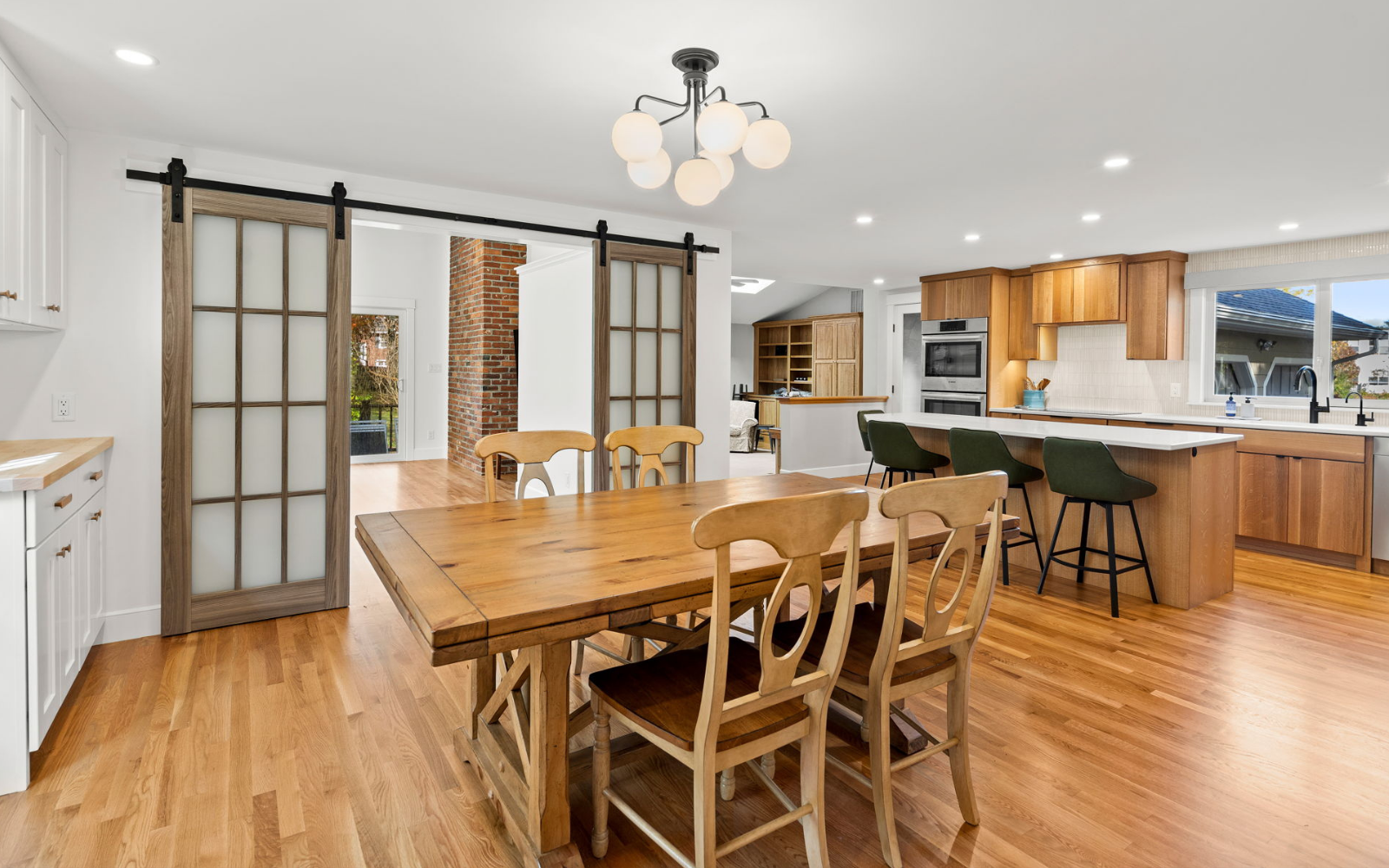
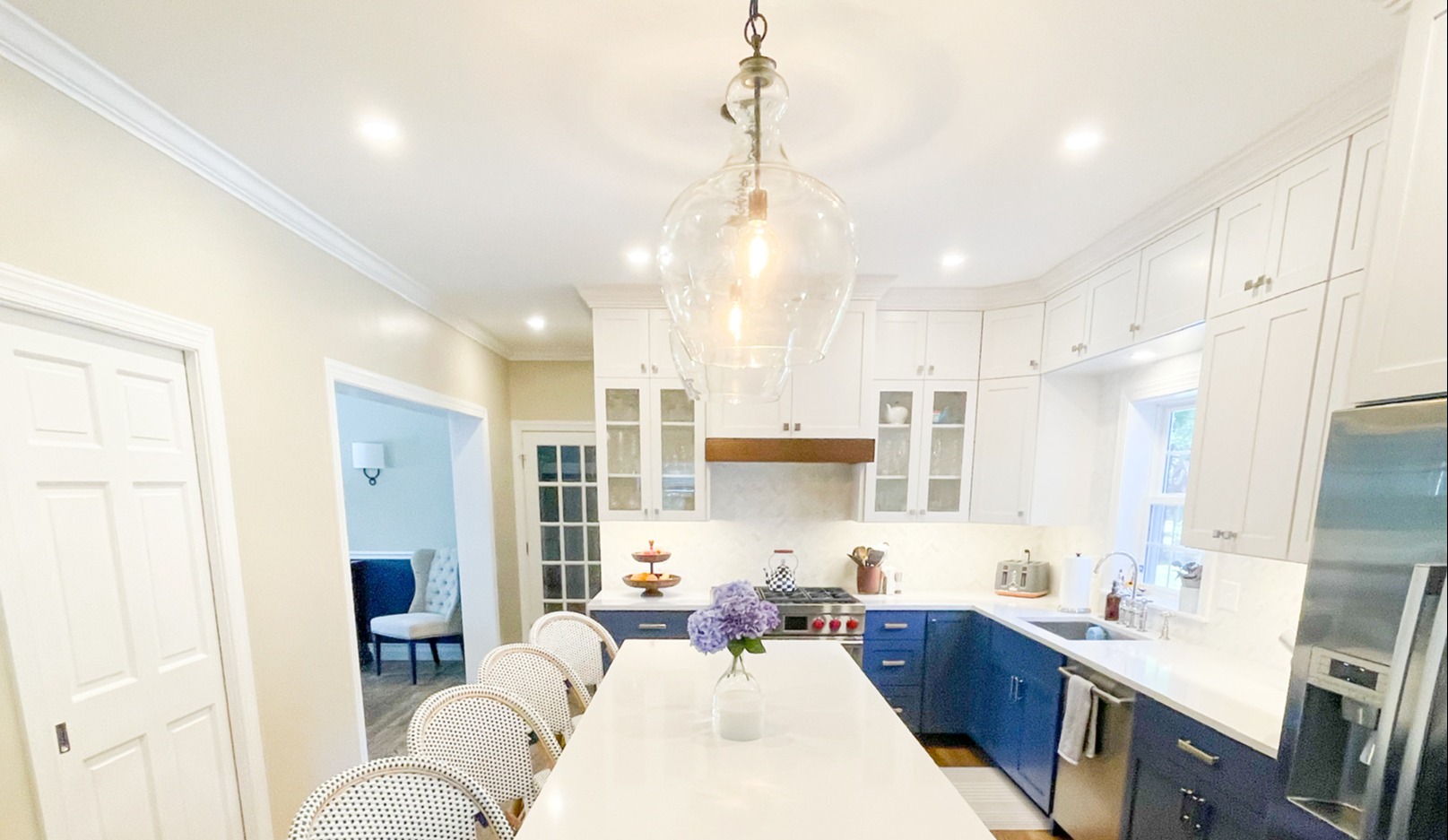
Adding an island is a common goal. A well-designed island typically requires at least 36 inches of clearance, with 42 inches preferred for comfortable circulation. When space is limited, removing walls, reconfiguring adjacent areas, or adding a peninsula can often create similar functionality while maintaining proper flow.
IMPROVING STORAGE
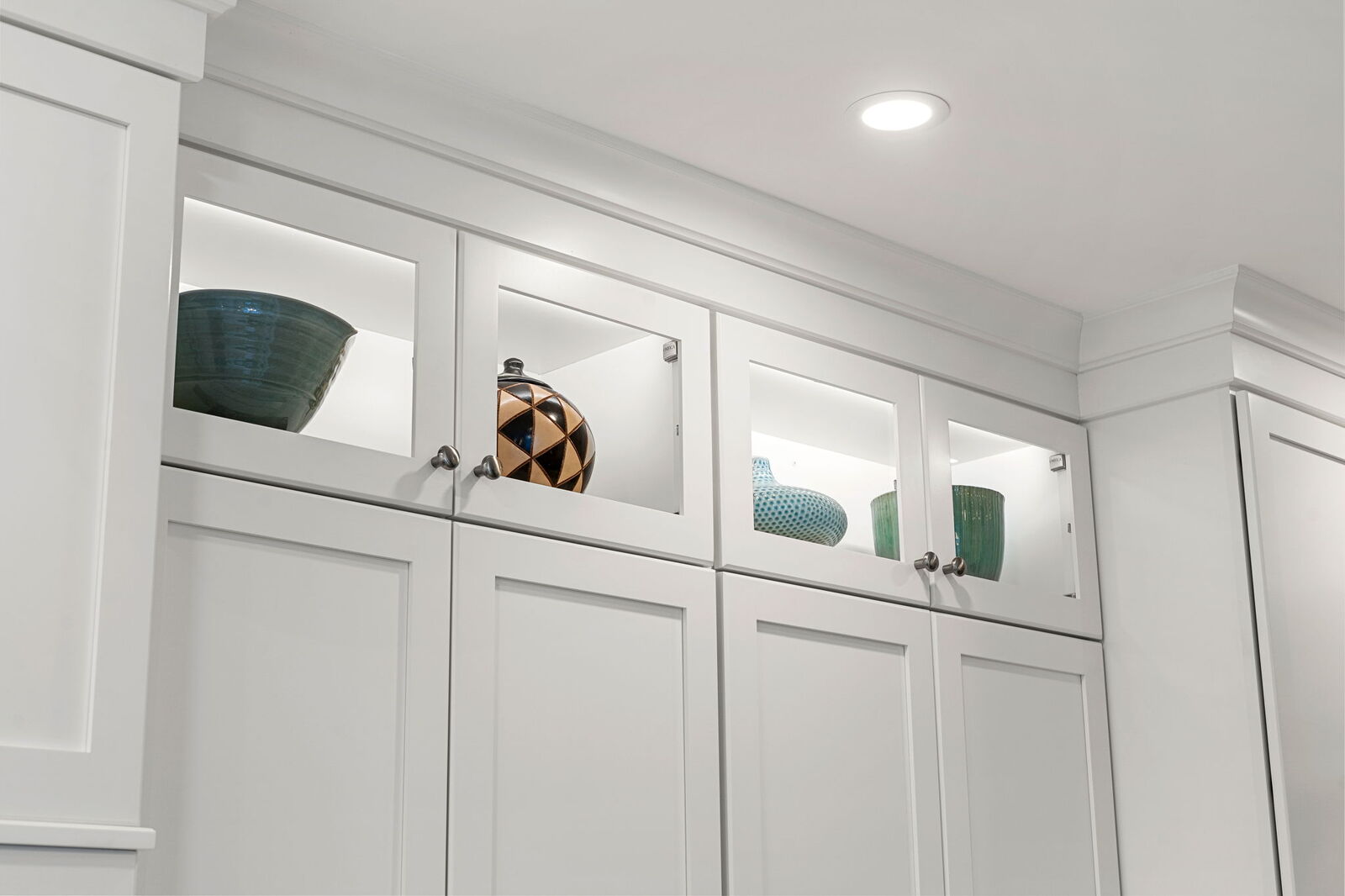
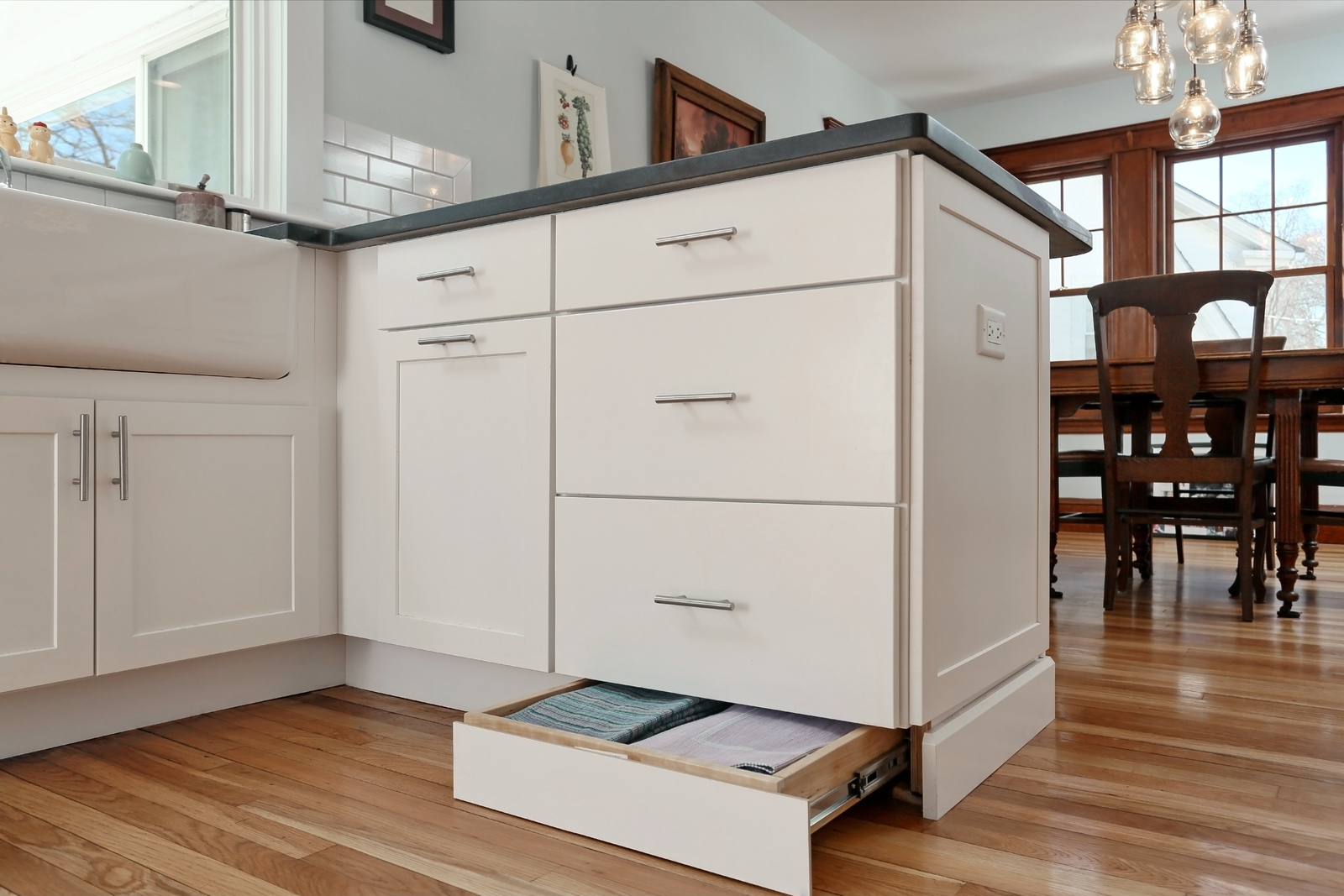
Storage is another frequent priority. Modern cabinetry offers significantly more functionality than older kitchens, including deep drawers, vertical storage, improved corner access, ceiling-height cabinetry, and pantry solutions. When thoughtfully designed, these features can improve organization and efficiency without expanding the footprint.
INCREASING KITCHEN SIZE
Many homeowners assume they need more square footage. In many cases, the real issue is layout and circulation. Reworking the configuration, improving storage, and optimizing flow can often make a kitchen feel larger and function better.
In some homes, expanding into adjacent rooms or relocating the kitchen may create additional opportunities, particularly when improving connection, natural light, or overall functionality.
IMPROVING LIGHTING
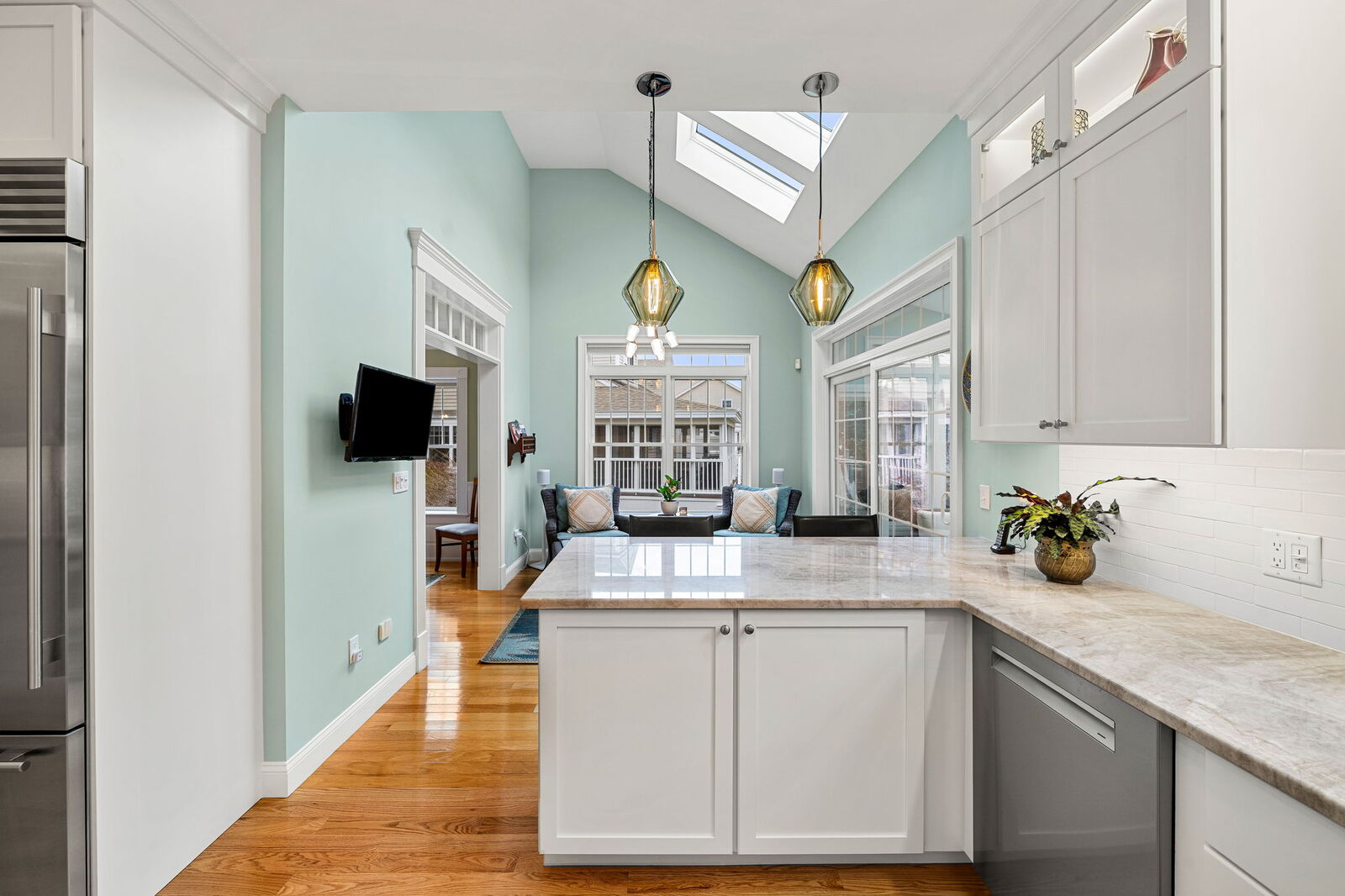
Lighting is often overlooked but plays a major role in how a kitchen feels and functions. Increasing natural light through larger windows or skylights can make the space feel more open and inviting. Layered lighting, including task, ambient, and accent lighting, further improves visibility, comfort, and overall usability.
Download Your Personal
Copy of this eBook
Fill out the form to receive your own copy.
Download Now
BIG BOX RETAILERS AND SHOWROOMS
Big box retailers can sometimes feel like a convenient place to start. Homeowners can quickly explore cabinetry, appliances, and finishes, and some stores offer in-house design services and installer referrals.
This approach often focuses primarily on product selection. While this can be helpful for exploring materials and pricing, it may not always allow for a deeper understanding of how the space functions day-to-day. Considerations such as lifestyle, storage needs, and long-term goals may receive less attention during the early stages.
Planning and installation are also typically handled separately, which can limit opportunities for coordination across the entire project. When the layout, workflow, and long-term planning are explored more thoroughly, homeowners often discover additional possibilities within their space.
Although this path can appear cost-effective initially, additional adjustments may arise later if key decisions were not fully explored early. A more comprehensive planning approach helps establish clarity upfront and supports a smoother remodeling experience overall.
STARTING WITH AN ARCHITECT
Starting with a stand-alone architect can be appealing for homeowners looking to reimagine their space. This approach often produces creative design ideas and a strong visual direction.
Because architects typically focus first on design, construction feasibility, budgeting, and implementation details may be left for later in the process. When these considerations are introduced after the design is developed, changes to design and coordination may be required to align the vision with structural realities, material selections, and budget goals.
In some cases, homeowners invest time and money in plans only to discover later that the design exceeds their budget or presents construction challenges, leading to revisions, added costs, and delays.
HIRING A GENERAL CONTRACTOR WITHOUT DESIGN-BUILD
Hiring a contractor without a design-build approach often begins with comparing bids. While this may feel practical, estimates are typically based on limited information before a full design and scope are developed.
As construction begins, gaps in planning often lead to change orders, additional costs, and rushed decisions. Over time, the total investment can approach or exceed that of a more thoroughly planned project.
The Design-Build Advantage for Your Kitchen Remodel
The success of a kitchen remodel depends on more than the decisions themselves. It depends on how those decisions are made.
A design-build approach brings everything into alignment from the beginning: design, budgeting, and construction planning are part of the same conversation. Each idea is considered not only for how it looks, but for how it solves challenges, how it will be built, and how it aligns with your investment.
This changes the process in meaningful ways. Instead of moving through disconnected steps, homeowners are guided through a cohesive experience. Decisions are made with clarity early, allowing each phase to build on the last rather than revisiting choices later.
Because the same team that helps shape the vision is responsible for delivering the final result, they are able to help you make the most of your investment.
The focus is not on doing more, but on doing the right things.
Priorities are balanced thoughtfully, opportunities within the space are maximized, and the result feels complete rather than compromised.
For many homeowners, this is what creates the greatest difference. Not just in the finished kitchen, but in the confidence and clarity they experience throughout the process.
Download Your Personal
Copy of this eBook
Fill out the form to receive your own copy.
Download Now
What to Expect During Your Kitchen Remodel
At the beginning of a kitchen remodel, many homeowners expect the process to feel complex. There are decisions to make, disruptions to plan for, and uncertainty about how everything will come together.
When the process is guided by a structured design-build approach, something different begins to take shape: clarity.
CLEAR DIRECTION FROM THE START
An experienced design-build partner begins by understanding how the kitchen is used and what is not working. Early conversations focus on daily routines, storage, traffic flow, and long-term goals. Rather than starting with finishes, the emphasis is on improving how the space functions.
Because design and construction are aligned from the beginning, feasibility, structural considerations, and budget expectations are addressed early. This helps homeowners avoid investing in plans that later prove unrealistic.
GUIDED DECISIONS THAT DON'T OVERWHELM
As planning progresses, decisions are introduced in a logical sequence rather than all at once. When homeowners work with a single, coordinated team, communication improves, decision fatigue reduces, and homeowners move forward with clarity and confidence.
A MORE PREDICTABLE CONSTRUCTION PHASE
With key decisions made before construction begins, materials can be ordered in advance and trades scheduled more effectively. Fewer open questions during construction mean fewer delays and a smoother overall experience.
WATCH THE PLAN COME TO LIFE
By the time construction begins, much of the uncertainty has already been resolved. You are not making rushed decisions under pressure. You are watching a thoughtful plan come to life.
As the space begins to take shape, you begin to see how the kitchen will function day to day and how it will support the moments that matter.
For many homeowners, this is what makes the process feel different, more intentional in a way that makes each step feel grounded and worthwhile.
What Drives a Kitchen Remodel Investment
The most common questions homeowners ask are how to think about cost. The answer is less about individual selections and more about the overall scope of the project.
Changes to layout, structure, and mechanical systems tend to have the greatest impact, with cabinetry, appliances, countertops, and finishes following behind. Differences in quality, customization, and installation can meaningfully affect cost. While all of these elements matter, they are rarely the primary driver.
What matters more is how clearly the project is defined during design development.
Some homeowners may assume that if they are not significantly changing the kitchen’s layout, they may not need a formal design phase. However, even projects with minimal layout changes still require a fully developed scope of work, detailed selections, and pre-construction planning.
This phase is much more than drawings or renderings. It defines what will be built, how the kitchen will function, and the required level of investment. The more clearly these details are established up front, the more accurate the expectations for the final project outcome become.
Rather than starting with a number, the process becomes about understanding what you are trying to achieve—and what it takes to do it well.
EXPERIENCE IN YOUR REGION
Look for a company with experience in your area. Homes on the North Shore often
involve older construction, structural considerations, and local permitting requirements. A firm familiar with these factors is better equipped to anticipate challenges and plan
accordingly.
CLEAR PROCESS AND PLANNING APPROACH
A professional remodeling firm should have a defined and transparent process. Homeowners should understand how decisions are made, how the scope is developed, and how the project moves into construction.
It is also helpful to consider how the team approaches early conversations. Do they take the time to understand how you live? Do they help you see what is possible while keeping it grounded in reality?
Early planning steps, such as feasibility studies, can help align expectations, identify opportunities, and establish realistic investment ranges.
QUALITY OF WORK AND REPUTATION
Review portfolios, client testimonials, and references. Look for consistency, attention to detail, and experience with projects similar in scope and complexity. Client feedback often reveals how a company communicates and manages challenges. High-quality design-build companies will provide a clear list of references that homeowners can contact to speak with them one-on-one about their experiences.
PROFESSIONAL STANDARDS AND TEAM STRUCTURE
Confirm that the company is licensed and insured. It is also helpful to understand how trade partners are vetted and managed. Firms with established relationships, clear standards, and in-house capabilities often provide greater consistency and quality control.
STABILITY AND LONG-TERM SUPPORT
An established company with a proven track record often has refined systems and experienced teams. Warranty coverage and long-term support can also reflect confidence in the quality of work.
FINDING THE RIGHT FIT
Beyond qualifications, choosing the right partner comes down to trust and communication. Remodeling is a collaborative process that spans several months, so working with a team you feel comfortable with should play a major role in your decision-making and the overall experience.
How to Begin Your Kitchen Remodel
If you are considering a kitchen remodel, the next step is not selecting finishes; it is having an honest conversation. One that brings clarity to your goals, your priorities, and what is realistically possible within your home.
For many homeowners, this is where the process begins to shift—from ideas to direction.
If you would like to learn more about what it is like to remodel with a coordinated, design-build team, explore this guide: What It’s Like to Remodel with Godfrey Design-Build: A Strategic Guide for North Shore Homeowners.
START THE CONVERSATION
If you would like a deeper understanding of what it is like to move through a remodeling project with a coordinated, thoughtful approach, we invite you to schedule a discovery call and begin planning your kitchen remodel with clarity and confidence.