Listen to the Blog Post
A kitchen remodel will dramatically improve how your home functions, but getting there requires navigating a period without one of the most-used spaces in the house. Losing that hub, even temporarily, can feel overwhelming.
With thoughtful planning, a temporary kitchen, and a few adjusted routines, the disruption becomes much easier to manage.
In this guide, we'll share practical strategies for setting realistic expectations, building a functional temporary kitchen, maintaining household routines, and minimizing stress while your new kitchen takes shape.
Table of Contents
1. What to Expect During a Kitchen Renovation
2. How to Set Up a Temporary Kitchen During a Remodel
3. Meal Planning and Shopping Strategies During a Kitchen Remodel
4. Keeping Kids, Pets, and Routines on Track
5. What a Well-Managed Remodeling Process Looks Like
6. Mindset: Getting Through the Mess to the Reward
7. Next Steps
What to Expect During a Kitchen Renovation
One of the most valuable things a design-build partner can provide before construction begins is a clear understanding of what to expect and a practical plan for how your household will navigate daily life throughout the remodel.
Any remodeling project will naturally create some level of disruption, even with a well-organized remodeling team. There will be periods of noise, increased activity around your home, and temporary changes to your daily routines.
Why the Timeline Matters
A clear project timeline helps you prepare for:
- Meals and food storage
- School and work routines
- Pet care
- Family activities and entertainment
- Temporary living arrangements within the home
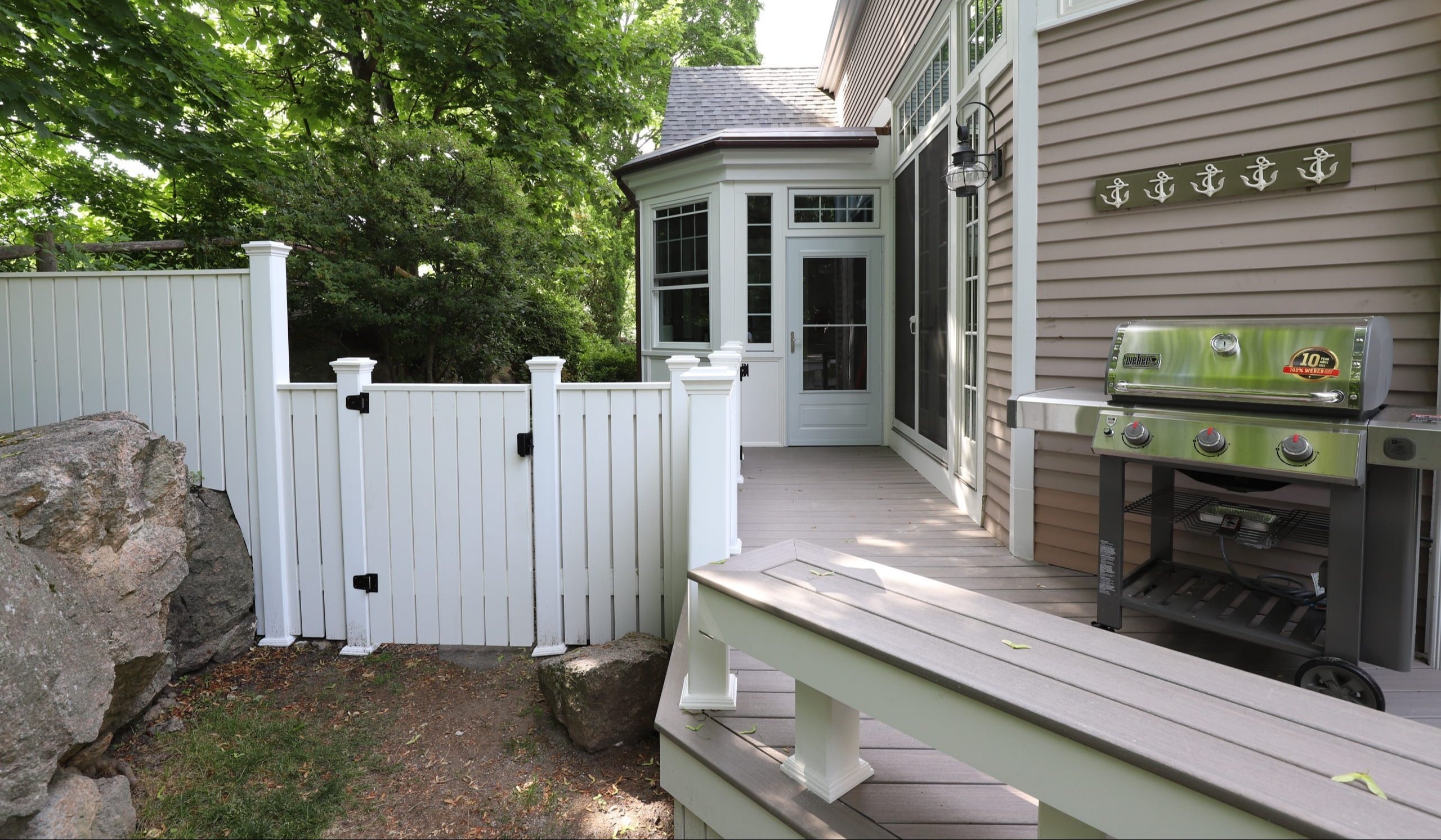
Many homeowners choose to remodel during warmer months because grilling outdoors and spending more time outside can make the experience less overwhelming.
The Goal Is Preparation, Not Perfection
A good remodeling partner should help you prepare for the realities of construction, not simply react to challenges as they arise.
The goal isn't to eliminate every inconvenience; it’s to understand what's coming, establish realistic expectations, and create a plan that helps your family maintain as much normalcy as possible throughout the project.
One of the biggest adjustments homeowners face during a kitchen remodel is losing access to the kitchen itself. Because preparing meals is such a central part of daily life, planning for how you'll cook, eat, and store food before construction begins can make a significant difference in your overall experience.
How to Set Up a Temporary Kitchen During a Remodel
A well-planned temporary kitchen is one of the most effective ways to reduce stress during a kitchen remodel. Rather than trying to replicate your entire kitchen, focus on creating a compact, efficient space that lets you manage basic meal preparation and day-to-day tasks.
Choosing the Right Location for the Temporary Kitchen
Common temporary kitchen locations include:
- Dining room or breakfast area
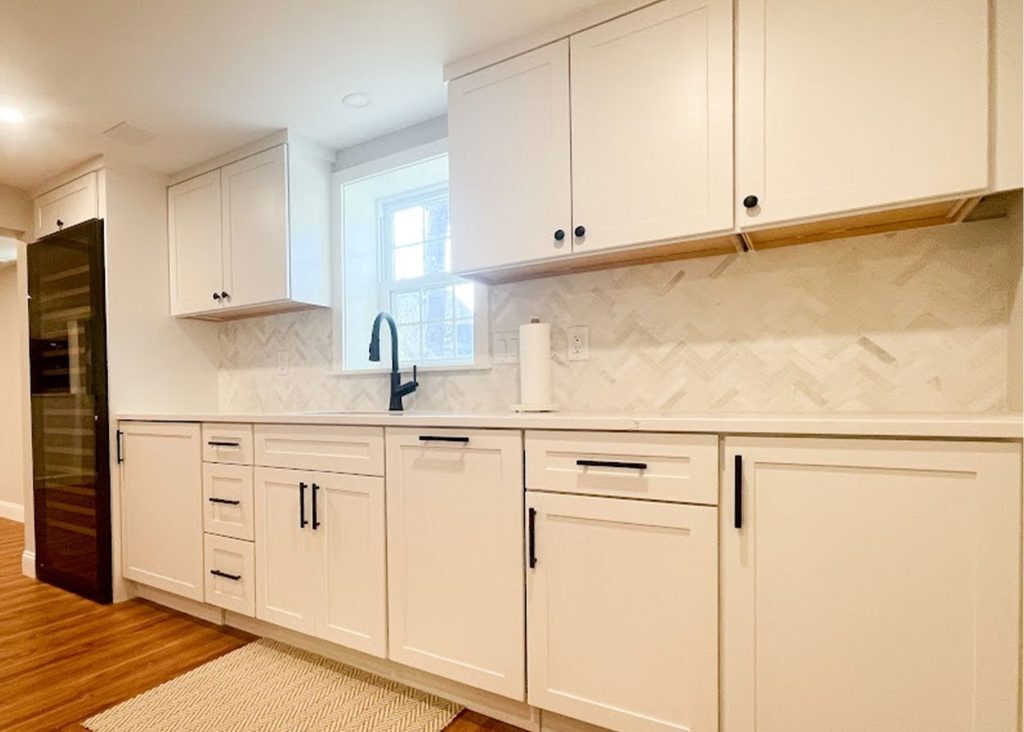
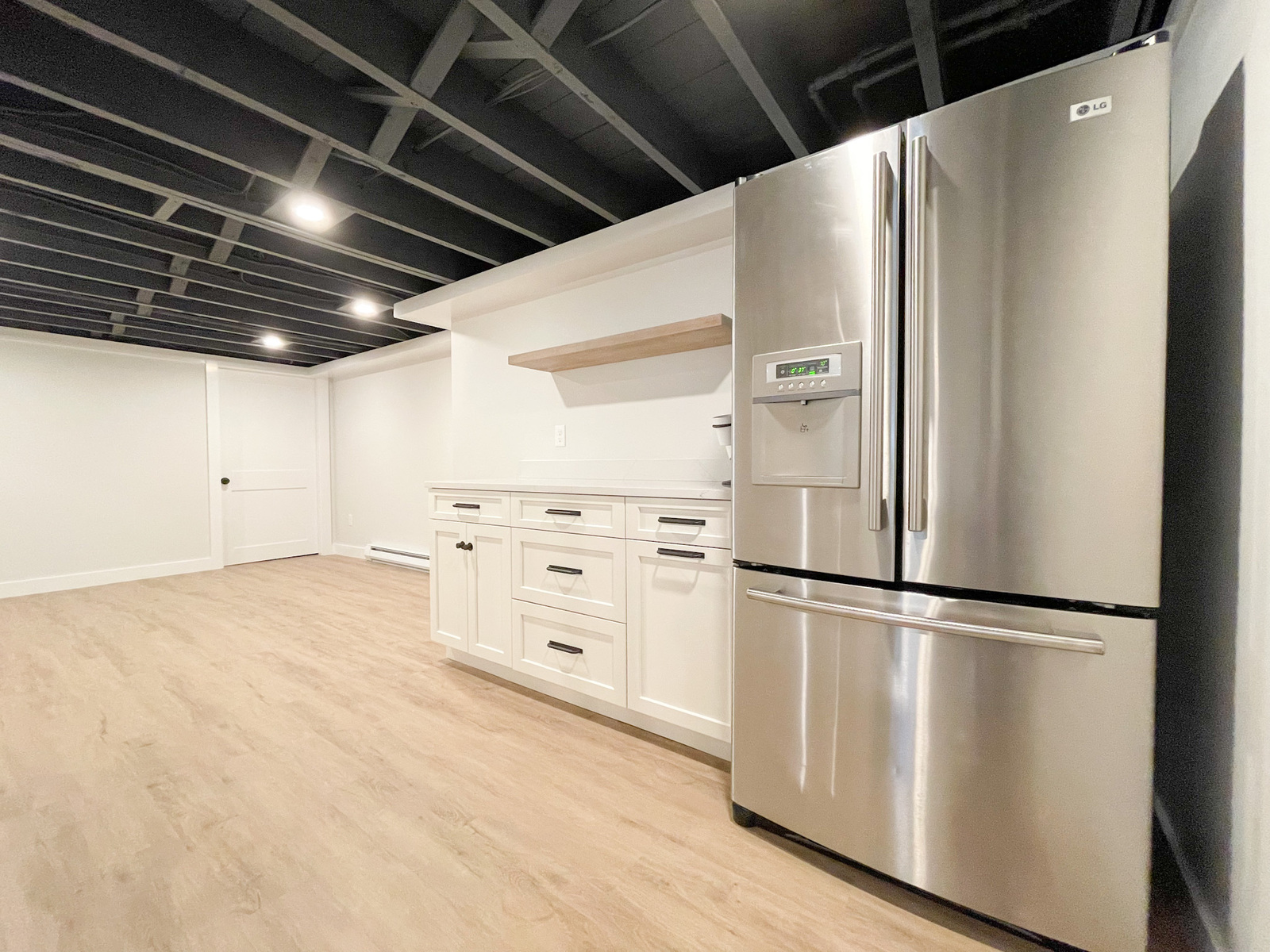
- Finished basement or lower-level family room
- Existing wet bar or basement kitchenette that can be adapted for meal preparation
- Spare bedroom or a corner of the living room, if that's the only available space
- A covered outdoor kitchen or patio setup during warmer months, especially if you already have access to a grill, outdoor sink, or prep area
When choosing a spot, consider:
- Access to electrical outlets
- Proximity to a sink or water source
- Traffic flow away from the construction zone
- Protection from the weather if using an outdoor space
- Storage for food, dishes, and small appliances
Small Appliances and Supplies
Most families find they can live fairly comfortably with a small set of flexible tools. Consider including:
- Mini‑fridge or secondary refrigerator
- Microwave
- Toaster oven or countertop oven
- Electric kettle or coffee maker
- Hot plate (if used safely and where permitted)
- Electric griddle or portable induction cooktop
- Instant Pot or slow cooker
- Air fryer
For cookware and utensils, keep things simple:
- One medium pot and one skillet
- A cutting board and chef’s knife
- A mixing bowl and colander
- Paper plates and disposable bowls, utensils, paper napkins, and cups
- Dish drying rack
Helpful additions include:
- Storage bins or a rolling cart for pantry items
- Small trash and recycling containers
- Reusable food-storage containers and bags
- A folding table for meals and a sturdy work surface for safely operating small appliances and preparing food
The key is to move only what you'll actually use each week.
Managing Water and Dishwashing
Without your main kitchen sink, doing the dishes can be the biggest hurdle.
Alternative options include:
- Using a laundry room, utility, or bathroom sink for light washing
- Mixing reusable and disposable dishes during busy periods
- Setting up a simple wash-and-rinse station using plastic tubs
If you’re conscious about minimizing waste, you can still use primarily reusable items and rinse them more often, washing them once per day.
Meal Planning and Shopping Strategies During a Kitchen Remodel
Practical meal planning can significantly reduce stress and help you avoid relying on takeout every night.
Plan Simple, Low‑Mess Meals
- Limit yourself to one or two versatile pieces of cookware and focus on simple, one-pot meals whenever possible.
- Rely on appliances such as a slow cooker, Instant Pot, toaster oven, or air fryer to simplify meal preparation.
- Choose meals that require minimal chopping, preparation, and cleanup.
- Plan meals around pantry staples, shelf-stable ingredients, and canned goods to reduce your reliance on refrigeration and frequent grocery trips.
Examples include:
- Sheet‑pan vegetables and pre‑cooked proteins
- Slow cooker soups, chilis, or stews.
- Pre‑marinated meats or fish you can cook on a grill.
- Rotisserie chicken paired with bagged salads or pre‑washed veggies.
Take Advantage of Your Grill
In warmer weather, a grill can function as your main “stove.” Even in cooler months, many homeowners find they can grill a few times a week and repurpose leftovers.
Prepare Before Demo Day
A bit of preparation goes a long way:
- Cook and freeze ready-made meals that can be reheated in a microwave or countertop oven.
- Stock up on high‑quality frozen foods, microwaveable meals, and pre‑chopped or pre‑washed ingredients.
- Set aside favorite snacks and breakfast items in clearly labeled bins for easy access.
A little preparation upfront can eliminate a lot of daily frustration later.
Keeping Kids, Pets, and Routines on Track
One of the biggest questions families ask is how to maintain some sense of normal life when the kitchen is offline.
Safety and Boundaries for Kids
To keep children safe and comfortable:
- Clearly define “no‑go” zones and explain why they are off‑limits.
- Use baby gates, temporary barriers, or closed doors where appropriate.
- Walk kids through the new paths they’ll use to get to bedrooms, bathrooms, and the temporary kitchen.
- Maintaining familiar routines such as bedtime, homework time, and family check‑ins helps offset the visual disruption of construction.
Managing Pets During a Remodel
Pets often react strongly to new people, noise, and changes in routine. Consider:
- Creating a designated quiet space, like a room or a crate, away from the work zone.
- Coordinating with your remodeler about arrival times so pets are secured before crews enter.
- Planning extra walks or playtime to help pets burn off energy and reduce anxiety.
- Send your dog to doggy daycare
Supporting Remote Work and School
If someone in the household works from home:
- Identify the loudest phases of the project in advance (demo, framing, certain tool‑heavy days).
- Coordinate with the remodeler on work hours, especially for critical calls or exams.
- Use noise‑canceling headphones or white noise to reduce distraction when possible.
- Consider renting a shared workspace for the loudest parts of the process
What a Well-Managed Remodeling Process Looks Like
The experience of living through a kitchen remodel is heavily influenced by communication, planning, and jobsite management. A high-quality design-build partner should establish clear expectations before construction begins and provide ongoing visibility throughout the project.
Before work starts, homeowners should have a clear understanding of:
- Typical work hours and which days crews will be on site
- Which entrances crews will use and where materials will be stored
- How often deliveries will occur
- What measures will be taken to protect floors and control dust
- How the jobsite will be cleaned and secured at the end of each day
Equally important is having access to real-time project information. Many design-build firms use project management software that gives homeowners visibility into schedules, upcoming milestones, selections, progress updates, and project communications from a single location.
When expectations, timelines, and communication channels are established upfront, homeowners can plan more confidently and experience fewer surprises throughout the remodeling process.
Mindset: Getting Through the Mess to the Reward
Even with careful planning, living through a kitchen remodel involves some noise, dust, and temporary inconveniences.
It can be helpful to keep a few guiding ideas in mind:
- The disruption is temporary; the reward is enjoying a custom-designed kitchen for the way you and your family live, long after construction is complete.
- Small habits, like having your morning coffee or eating dinner in the same place each night, can bring a sense of normalcy when the rest of the house feels a little out of sync.
- There will be days when it feels like all you can see is dust and unfinished work. Looking back at the plans, material selections, or inspiration photos can be a good reminder of how far you've come and where it will end.
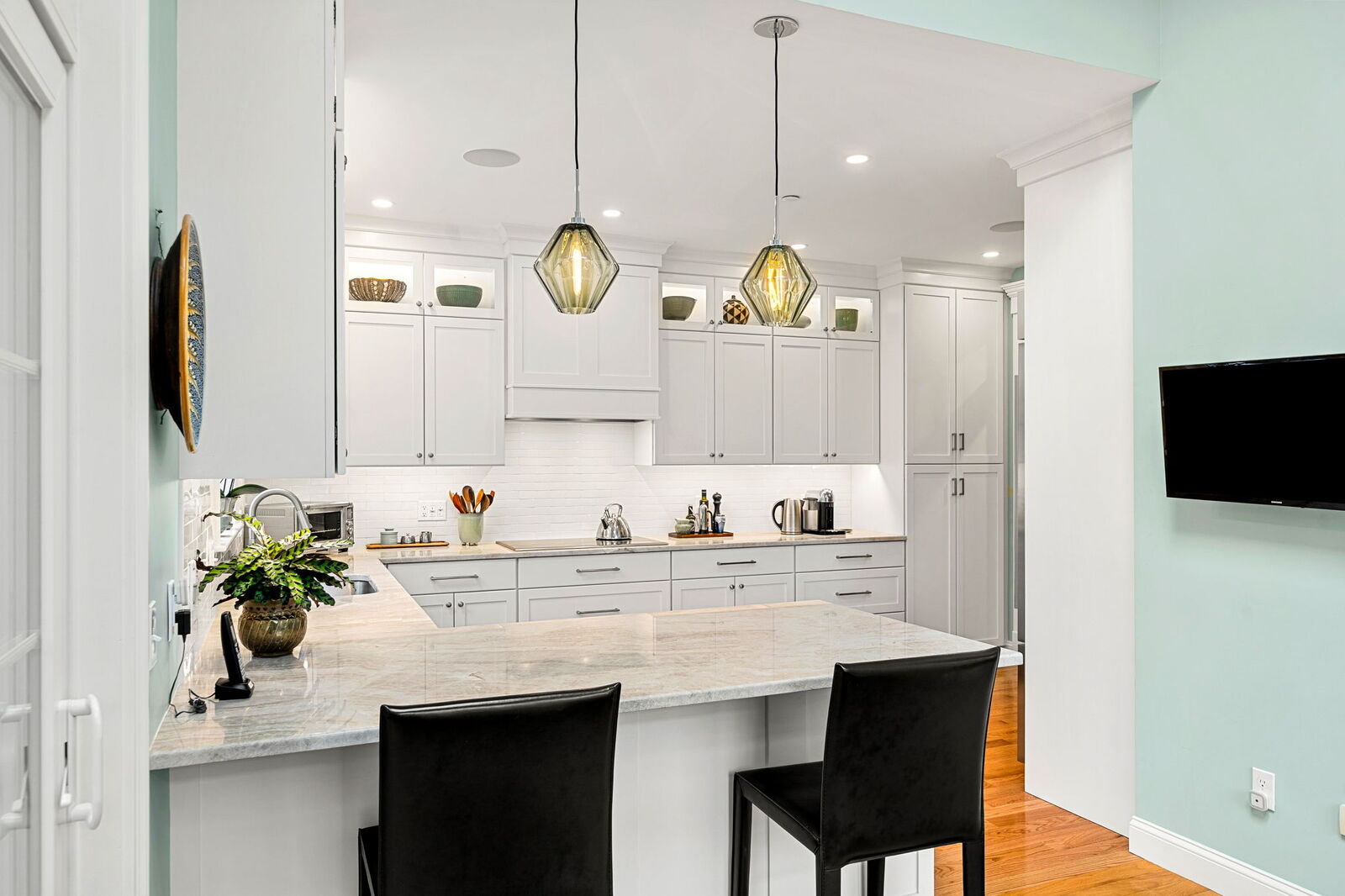
Many homeowners tell us that once the project is complete, the temporary inconvenience is soon overshadowed by the benefits of the newly finished space. What stays with them is how much smoother their mornings feel, how much more enjoyable it is to cook, and how much better their home supports their everyday lives.
Next Steps
If you’re planning a kitchen remodel and wondering whether you can realistically live through it:
- Use this guide to sketch out a temporary kitchen setup and think through routines for your household.
- Pair it with a clear understanding of how long your remodel is likely to take by reviewing a phase‑by‑phase timeline.
- Have an open conversation with your design‑build team about your priorities, sensitivities, and any concerns about staying in the home.
For a deeper look at the decisions that shape a successful kitchen remodel, download our eBook, Planning a Kitchen Remodel: A Guide to Layout, Investment, and Design Decisions That Matter. It will help you evaluate design options, understand budgeting considerations, and plan a kitchen that supports the way your family cooks, gathers, and lives.